

preparing the roof deck, adding waterproof protection, and carefully installing each metal panel the right way. Proper installation matters because your roof has to deal with snow, ice, wind, and heavy rain almost year-round.
Key Takeaways:
|
What Is Stone Coated Steel Roofing?
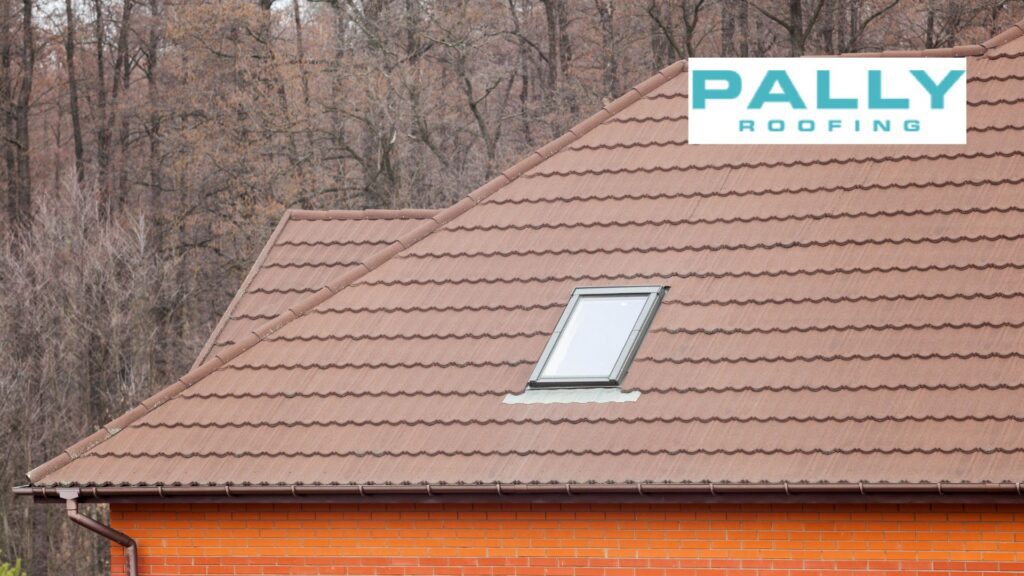
Stone coated steel roofing is a metal roofing system covered with stone granules so it looks more like shingles, tile, or shake roofing from the street.
A lot of homeowners around Garrettsville like it because they want the durability of metal roofing without the “barn roof” look some older metal roofs had.
It’s especially popular in Northeast Ohio because our weather can be rough on regular shingles.
Think about what your roof deals with every year:
- Snow piling up in winter
- Ice dams near gutters
- Strong wind during storms
- Heavy rain in spring
- Hot sun during summer
That constant freeze and thaw cycle can wear roofing materials down fast.
Stone coated steel roofing holds up much better than many traditional roofing systems.
How to Install Stone Coated Steel Roofing
Step 1: Inspect the Roof Deck First
Before any roofing panels go on, the roof itself has to be inspected.
This step matters more than people think.
In Garrettsville and nearby Northeast Ohio towns, older homes sometimes have hidden wood rot from years of moisture exposure. Snow and ice can slowly damage the roof deck underneath old shingles.
A contractor will usually check for:
- Soft spots
- Rotted wood
- Sagging areas
- Mold or moisture
- Poor ventilation
If damaged wood gets covered up instead of repaired, the new roof can fail much sooner.
Step 2: Remove Old Roofing Materials
Most stone coated roof company crews recommend tearing off the old roof first.
Technically, some systems can go over existing shingles, but a full tear-off gives installers a clean surface and helps uncover hidden problems underneath.
This part can get messy for a day or two.
You’ll probably hear:
- Dump trailers
- Nail guns
- Shingle removal
- Hammering
- Workers moving around overhead
It’s noisy, but it’s temporary.
And honestly, it’s better than covering up old roofing issues that turn into expensive leaks later.
Step 3: Install Waterproof Underlayment
This is one of the most important parts of the entire roofing system.
Underlayment acts like a backup moisture barrier underneath the metal panels.
In Northeast Ohio, ice and snow can sit on roofs for days or even weeks during winter. Without proper protection underneath, water can slowly sneak into the home.
Most professional installers use:
- Synthetic underlayment
- Ice and water shield
- Waterproof membranes near valleys and edges
Areas that need extra protection
Certain roof sections are more likely to leak:
- Roof valleys
- Chimneys
- Skylights
- Roof edges
- Around vents
Good installers spend extra time sealing these areas correctly.
Step 4: Add Battens or Prepare Direct-to-Deck Installation
Some stone coated roofing systems use battens.
Battens are horizontal strips installed across the roof deck before the metal panels go on.
Other systems install directly onto the deck.
Why battens can help
Battens create airflow underneath the roofing system, which helps with:
- Ventilation
- Moisture control
- Heat reduction
- Energy efficiency
That extra airflow can really help during Ohio winters when condensation becomes a problem inside attics.
Step 5: Install Flashing and Starter Pieces
Before the main roofing panels go on, installers add flashing and trim around important roof sections.
This includes:
- Drip edge
- Valley flashing
- Chimney flashing
- Sidewall flashing
- Starter strips
This part may not look exciting, but honestly, it’s where a lot of roof leaks happen if shortcuts are taken.
A roof can have great shingles or metal panels and still leak badly because the flashing was done wrong.
Step 6: Install the Stone Coated Steel Panels
Now comes the part most homeowners picture.
The roofing panels get installed row by row, usually starting from the bottom edge of the roof and moving upward.
Each panel overlaps the next one to help keep water out.
Fastener placement matters a lot
This is where experience really shows.
Panels need to be:
- Properly aligned
- Securely fastened
- Evenly spaced
- Installed according to manufacturer specs
If fasteners are overdriven or placed incorrectly, panels can loosen during strong windstorms.
That’s one reason homeowners often look for experienced stone coated installers in Garrettsville instead of hiring general roofers who mainly install shingles.
Step 7: Install Ridge Caps and Ventilation
Once the main roof is complete, ridge caps go on top.
These seal the roof peak while still allowing air to move through the attic.
Good ventilation helps prevent:
- Ice dams
- Moisture buildup
- Mold
- Higher energy bills
- Premature roof aging
A lot of people don’t realize ventilation affects roof lifespan so much.
Warm attic air can melt snow unevenly during winter. That melted snow refreezes near gutters and creates ice dams.
Proper airflow helps reduce that problem.
Step 8: Final Inspection and Cleanup
Once everything is installed, the roofing crew should inspect the entire system carefully.
They’ll usually check:
- Fasteners
- Flashing
- Panel alignment
- Ventilation areas
- Roof edges
- Seal points
Cleanup matters too.
Nobody wants nails all over their driveway or yard afterward.
Most professional crews use magnetic rollers to pick up loose nails around the property before leaving.
Should You DIY or Hire a Pro?
Some homeowners think about installing stone coated steel roofing themselves.
Honestly, this usually isn’t the best DIY project.
The panels require careful measuring, proper flashing techniques, and specialized installation methods. One mistake can lead to expensive leaks later.
DIY risks include:
- Water damage
- Incorrect fastening
- Roof leaks
- Warranty problems
- Safety risks
- Poor ventilation setup
For most homeowners hiring a professional is the safer option. They know exactly how to install stone coated steel roofing.
Frequently Asked Questions
Not really. When installed with proper underlayment and decking, it usually sounds similar to other roofing materials inside the home.
Modern systems are designed with protective coatings to resist rust. Proper installation also helps keep moisture from becoming a problem.
Yes. It handles snow loads very well, which makes it a solid option for Garrettsville and Northeast Ohio homes.
Usually, yes upfront. But many homeowners save money long-term because the roof lasts longer and needs fewer repairs.
In many cases, yes. Buyers often like the durability, appearance, and long lifespan. Just make sure the job is done by experts who know exactly how to install stone coated steel roofing.
Call Pally Roofing for Stone Coated Steel Roofing in Ohio
Installing stone coated steel roofing is not something you want rushed or done halfway. Your roof has to survive snow, wind, rain, ice, and everything else Northeast Ohio weather throws at it.
At Pally Roofing, we help homeowners choose roofing systems that actually fit their home, budget, and long-term goals. Whether you need a full roof replacement or you’re still comparing options, our team is here to help.
Contact us today for a free inspection and honest recommendations.