

If you’re wondering how to protect your roof from storm damage, the biggest thing is staying ahead of small problems before the weather makes them worse. Strong wind, heavy rain, hail, and winter ice can beat up your roof fast, especially if shingles, gutters, or flashing are already worn out.
Key Takeaways:
|
How to Protect Your Roof From Storm Damage
1. Get Your Roof Inspected Before Storm Season
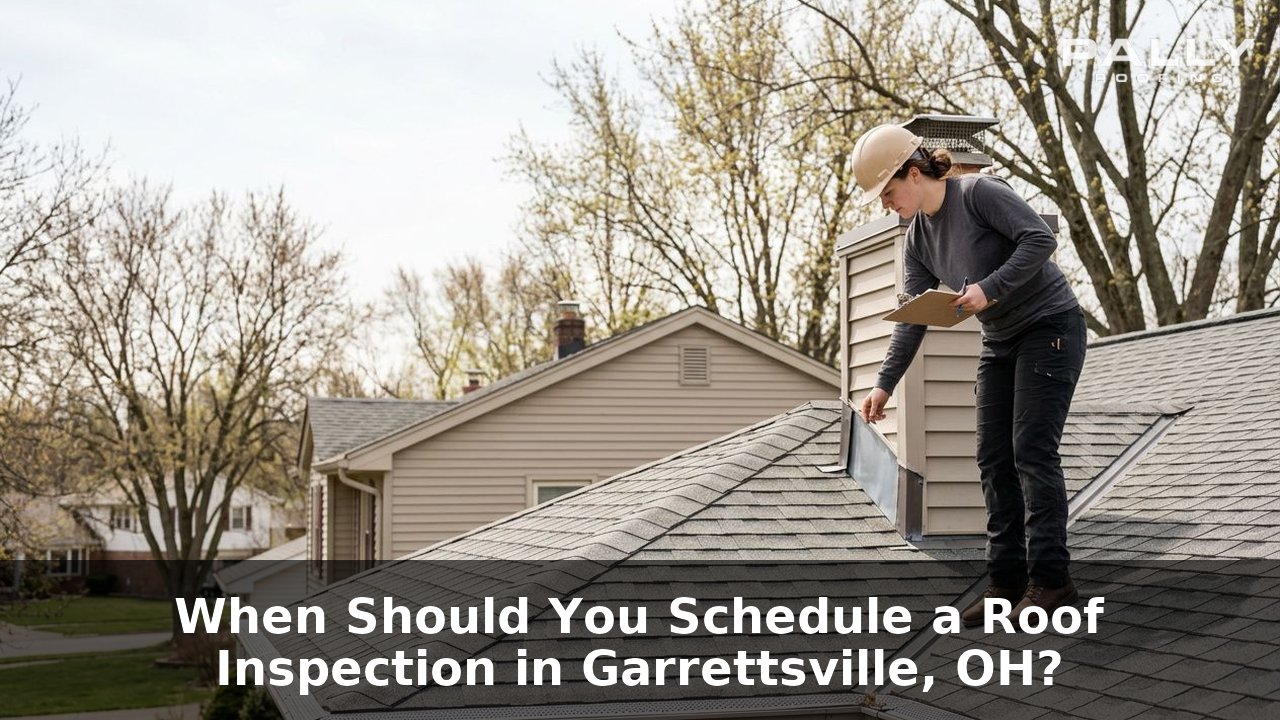
Small roofing problems are easy to miss until a storm makes them worse. A professional roof inspection can catch loose shingles, soft spots, flashing issues, and weak areas before heavy rain and strong winds cause leaks.
It’s smart to schedule roof inspections before winter and after major storms. A lot of homeowners do not realize they have damage until water starts showing up inside the house, and by then the repairs are usually much more expensive.
Even a small issue today can turn into major damage after one bad storm.
2. Keep Your Gutters Clean
Clogged gutters cause more roof problems than most people think. When water cannot flow properly through the gutters, it backs up underneath shingles and around the roof edge.
Over time, that trapped moisture can lead to:
- Roof leaks
- Mold growth
- Rotting wood
- Ice dams
- Foundation problems
This is especially common in Garrettsville neighborhoods with lots of trees. During fall, gutters can fill up with leaves fast.
Cleaning your gutters at least twice a year can help protect your roof during heavy storms and prevent expensive repairs later.
3. Replace Damaged Shingles Quickly
A missing or cracked shingle may not look serious from the ground, but storms usually hit weak spots first. Once water gets underneath the roof, it can spread into the decking, attic, and ceilings pretty quickly.
Watch for signs like:
- Curling shingles
- Bald spots
- Cracks
- Loose shingles
- Granules in gutters
- Pieces of shingles in your yard
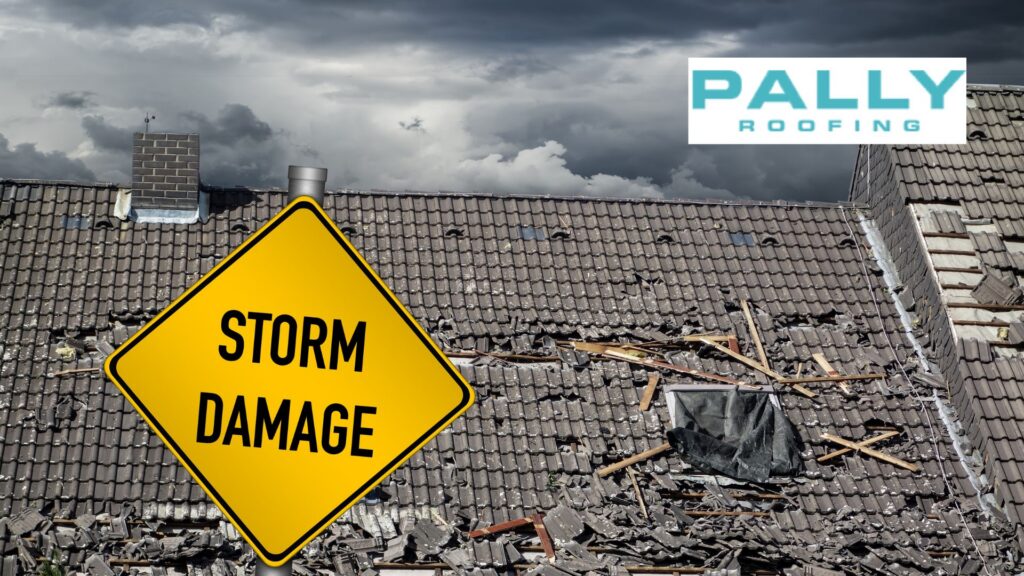
These are common signs of storm damage. Fixing damaged shingles early is much cheaper than dealing with a major leak later.
4. Trim Trees Near Your Roof
Trees can become a big problem during storms, especially when branches hang too close to your roof. Strong wind can snap limbs and send them crashing onto shingles, gutters, or flashing.
Even smaller branches can slowly wear down roofing materials by scraping against them during windy weather.
Around Garrettsville, fallen branches are one of the most common causes of storm damage after severe weather rolls through. Keeping trees trimmed back helps protect both your roof and the rest of your home.
5. Check Your Attic Ventilation
Most homeowners never think about attic ventilation, but it plays a huge role in protecting your roof. Poor airflow traps heat and moisture inside the attic, which can create serious problems over time.
During winter, trapped heat melts snow on the roof. That melted snow refreezes near the edges and creates ice dams that force water underneath shingles.
Good ventilation helps prevent:
- Ice dams
- Moisture buildup
- Mold growth
- Roof rot
- Premature roof aging
This is one of the most overlooked parts of roof maintenance in Garrettsville.
6. Inspect Flashing Around Roof Openings
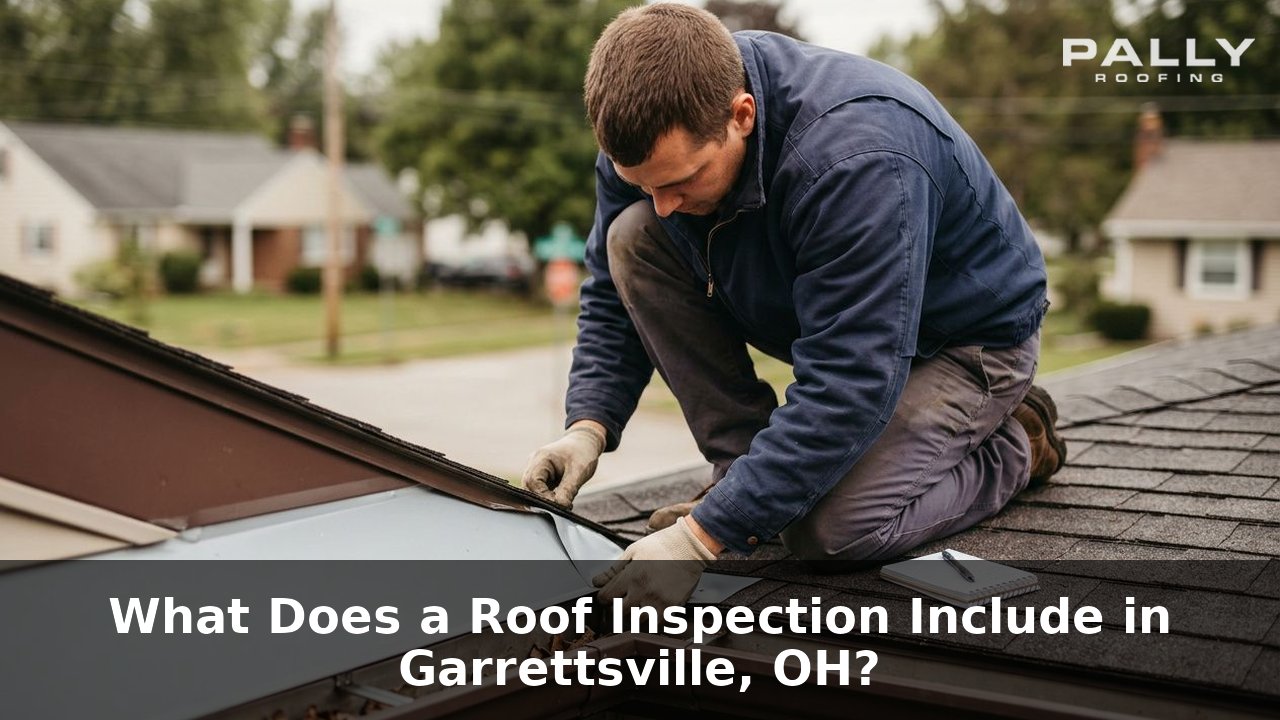
Flashing protects vulnerable spots around chimneys, skylights, roof vents, and valleys. If flashing becomes loose, cracked, or rusted, water can sneak inside during heavy rain.
And honestly, flashing issues are one of the most common causes of roof leaks.
Look for warning signs like:
- Rust stains
- Loose metal
- Water spots on ceilings
- Damp attic insulation
- Visible gaps near roof openings
Catching flashing problems early can help you avoid major interior water damage later.
7. Don’t Ignore Small Leaks
This is important in how to protect your roof from storm damage.
A tiny roof leak rarely stays tiny for long. A lot of homeowners put a bucket underneath the drip and plan to deal with it later, but another storm can quickly make the damage worse.
Small leaks can eventually lead to:
- Mold growth
- Ceiling damage
- Rotten wood
- Insulation problems
- Higher repair costs
The sooner you repair roof damage, the better chance you have of avoiding expensive repairs later on.
8. Prepare Your Roof Before Severe Weather
A little roof maintenance can go a long way before storm season starts. Preparing early helps reduce the chances of major storm damage when bad weather hits.
Before storm season:
- Clean gutters and downspouts
- Check for missing shingles
- Trim nearby trees
- Remove roof debris
- Inspect flashing
- Check attic ventilation
- Schedule a roof inspection
These simple steps can help protect your roof from storm damage and save you from stressful emergency repairs later.
Frequently Asked Questions
Most homeowners should schedule a roof inspection once or twice a year. It’s also smart to get an inspection after major storms in Garrettsville or Northeast Ohio.
Yes, they absolutely can. Water can back up underneath shingles and lead to leaks, mold growth, and wood rot.
High winds, hail, heavy rain, and winter ice storms usually cause the most roof storm damage in Northeast Ohio.
No, not always. Some damage stays hidden until water starts leaking inside your home weeks or even months later.
Yes. Small roofing issues usually become much bigger and more expensive if they are ignored too long.
Trust Pally Roofing with Your Roof Maintenance Today!
Storms can do serious damage to your roof, especially when small problems go unnoticed.
At Pally Roofing, we know exactly how to protect your roof from storm damage. We help homeowners stay ahead of leaks, storm damage, and expensive repairs with honest inspections and reliable roofing services.
Whether you need help after a storm or just want peace of mind before the next one hits, our team is ready to help. Call today to get started.