

Key Takeaways:
- A roof inspection in Garrettsville OH follows a defined 20-point checklist covering shingles, flashing, gutters, attic space, and ventilation, with photo documentation and a condition report included.
- Knowing when to schedule one (after a storm, before selling, or as a routine annual check) helps you avoid undetected issues and gives you a documented basis for any repair decisions.
- Pally Roofing offers free estimates alongside its comprehensive inspection service and is bonded, insured, and licensed.
When is a documented roof inspection the right starting point for your Garrettsville home? For many homeowners, that question comes up after a severe windstorm, during a home sale, or simply after a few years of not really thinking about the roof overhead. A roof inspection Garrettsville OH homeowners can rely on gives you a structured answer to that uncertainty, rather than leaving you guessing from ground level.
This article walks through exactly when an inspection makes sense, what a professional reviews, how findings are documented, and how to compare a formal inspection with a simple estimate call. Every answer below is grounded in what Pally Roofing actually delivers, so you can evaluate whether the service fits your situation.

When a Documented Roof Inspection Is the Right Starting Point
Routine Timing: How Often Ohio Homeowners Should Inspect
Most roofing professionals recommend scheduling a roof inspection at least once a year, or once every two years for newer roofs still under manufacturer warranty. In Northeast Ohio, the most practical windows are spring (after the freeze-thaw cycle of winter) and early fall (before freezing temperatures return). Either season gives an inspector a clear view of the roof surface and access to the attic space without weather complications.
If your roof is older than 10 years, annual inspections become more important. Age alone doesn’t determine condition, but an older roof has had more seasonal cycling, and an annual documented review creates a record you can point to if a coverage question arises with your homeowners insurance carrier. Ohio does not mandate roof inspections under state law, but many insurance companies request inspection records when underwriting or renewing a policy, particularly on homes with older roofing systems. Check directly with your insurer about their specific requirements.
Situation-Driven Triggers: When You Shouldn’t Wait for the Calendar
Beyond scheduled maintenance, several situations make an inspection the logical first call:
- After a major wind or hail event, when you want documented evidence of the roof’s current state before deciding on next steps
- Before listing a home for sale, so a buyer’s inspection doesn’t surface surprises late in the transaction
- After purchasing a home, to establish a baseline condition report
- When you notice interior signs like water stains on ceilings or unusual attic moisture, and you want a professional to confirm or rule out the roof as the source
- After a large branch or tree limb contacts the roof
In each of these scenarios, a checklist-based inspection with photo documentation gives you more than a visual walk-around. It gives you a record.
What Pally Roofing Reviews During a Comprehensive Inspection
The 20-Point Checklist: What Gets Examined
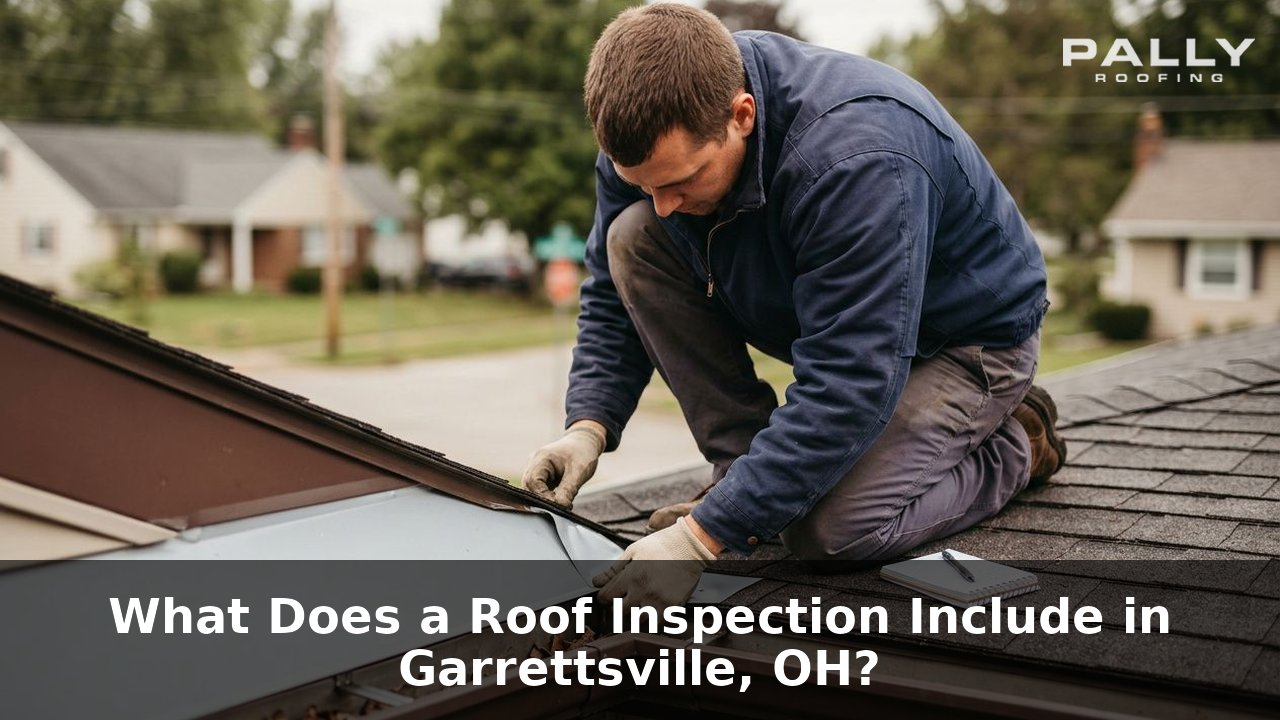
Pally Roofing’s comprehensive roof inspection is organized around a 20-point checklist. That structure matters because it means the review is consistent and measurable, not a casual visual pass. The five core areas covered are shingles, flashing, gutters, attic space, and ventilation.
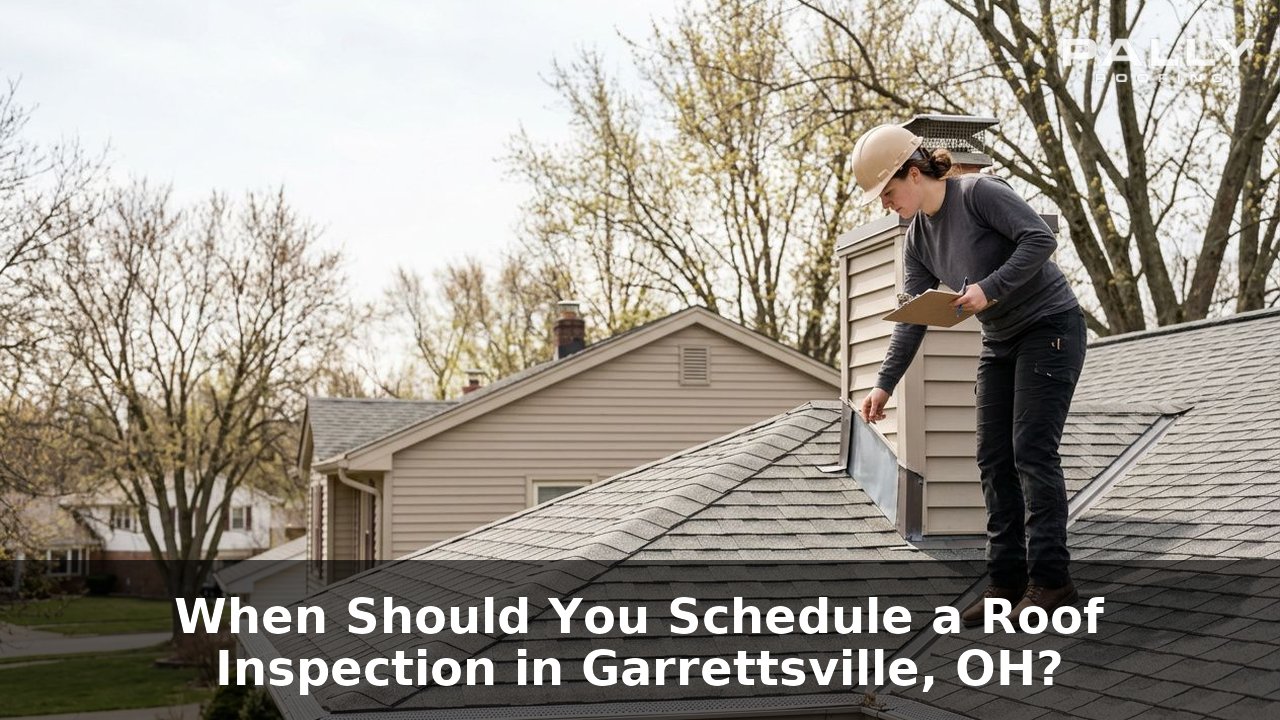
Shingle inspection looks at the surface material for any signs of wear, missing pieces, or granule loss visible from the inspection vantage point. Flashing inspection focuses on the metal or membrane strips at transitions, including around chimneys, skylights, and wall-meets-roof junctions, where separation or gaps can allow water to travel inward. Gutter inspection looks at alignment, attachment, and whether the drainage path is clear.
Attic Space and Ventilation: Why the Interior Matters
A roof inspection that stops at the exterior misses half the picture. Pally Roofing’s inspection includes the attic space and ventilation, because both affect how the roofing system as a whole performs.
Attic inspection checks for signs of moisture, daylight penetration, or insulation conditions that could affect the roof deck. Ventilation review looks at whether air moves properly through intake and exhaust points. Poor ventilation can accelerate shingle aging from the inside out, so catching it early gives you actionable information regardless of what the exterior looked like.
A professional inspector can reach and interpret areas that a DIY walk-around cannot. Standing on the roof yourself carries obvious physical risk, and without a checklist and documentation, the exercise produces no formal record. A licensed, bonded, and insured professional working from a defined checklist produces a reportable result. Pally Roofing is bonded, insured, and licensed, which means its inspectors carry the credentials and coverage appropriate to the work.
How Long a Professional Inspection Takes
Most professional roof inspections on a standard single-family residential home take between one and three hours, depending on roof complexity, square footage, and attic accessibility. A 20-point checklist review that includes the attic and documentation will generally run longer than a quick visual estimate pass, because the inspector is recording findings as they go.
How Photo Documentation and Condition Reporting Support the Next Step
What You Receive After the Inspection
After Pally Roofing completes its inspection, the homeowner receives three things: photo documentation of the inspection findings, a roof condition report, and an estimate. That combination is meaningful because each piece serves a different function.
Photo documentation creates a visual record tied to the date of inspection. If a question comes up later about when a particular area was last reviewed, or what it looked like before a weather event, you have an image record rather than memory. The condition report translates the photo evidence into a readable summary of the roof’s state based on the 20-point checklist. The estimate gives you a clear, outlined next step from the contractor.
How Documentation Connects to Insurance and Home Sale Conversations
Having photo documentation and a written condition report on file can be useful when talking with your homeowners insurance carrier about your roof’s current state. Insurance policies in Ohio vary, and individual carrier requirements differ, so it is always worth consulting your specific policy terms. What documentation does consistently is give you something concrete to reference, rather than relying on verbal descriptions.
For homeowners preparing to sell in 2026, a recent inspection report and photo set can also shorten the back-and-forth with a buyer’s inspector by showing that the roof has already been reviewed by a licensed professional.
How to Compare an Inspection With a General Estimate Request
Understanding the Difference Between an Inspection and an Estimate
These two service types can sound similar, and some contractors use the terms interchangeably, but they produce different deliverables. A general estimate request typically involves a contractor looking at the roof to price a specific repair or replacement. It is scoped around a project, not a full condition review.
A roof inspection from Pally Roofing is a defined process built around a 20-point checklist that covers all five inspection areas regardless of whether a specific repair is already identified. Photo documentation and a condition report are included. An estimate is also provided, but it follows the inspection rather than driving the scope of it.
A Homeowner Checklist for Evaluating Any Inspection Provider
When comparing providers, here are four questions worth asking before booking:
- What specific items are on your inspection checklist, and is it a written document?
- Do you include photo documentation of what you find, and do I receive a copy?
- Is a written condition report part of the service, or just a verbal summary?
- Are you bonded, insured, and licensed in Ohio?
These questions shift the evaluation from price comparison alone to process comparison. An inspection that produces a documented output is a different service than one that produces only a verbal recommendation.
Scheduling a Roof Inspection in Garrettsville, OH
Who to Contact and What to Expect
Pally Roofing offers roof inspection services in Garrettsville, OH, along with the surrounding area. The comprehensive inspection follows the 20-point checklist, covers shingles, flashing, gutters, attic space, and ventilation, and delivers photo documentation, a condition report, and an estimate. Free estimates are included, so there is no cost barrier to getting the documented starting point most homeowners need before deciding on any next steps.
Preparing Your Home Before the Inspector Arrives
A little preparation makes the inspection go smoothly. Clearing any items stored immediately around the exterior of the house gives the inspector clear access to the foundation-level gutter and soffit areas. If the attic entry is inside a closet or under stored boxes, clearing that access point before the appointment saves time during the inspection itself. You don’t need to be on the roof or in the attic yourself. The inspector handles the physical review.
If you have any existing photos of the roof from prior years, or a previous inspection report, having those on hand is useful context, but not required. Pally Roofing’s inspection is a standalone documented review that stands on its own findings.
Once the inspection is done, you’ll have the photo record, the condition report, and the estimate. From there, the decision about next steps is yours, made with documented information rather than guesswork.
To get started, reach out to Pally Roofing for a free estimate and to schedule a comprehensive roof inspection at your Garrettsville home.