

Key Takeaways:
- A thorough roof inspection in Garrettsville, OH covers shingles, flashing, gutters, attic space, and ventilation using a documented process, not just a quick visual glance.
- Pally Roofing uses a 20-point inspection checklist with photo documentation and a written roof condition report, so you know exactly what was found and what comes next.
- Pally Roofing is bonded, insured, and licensed, and earned the 2025 Nextdoor Neighborhood Faves Award; free estimates are included with every inspection.
What should a homeowner expect a roof inspection to include? That question matters more than most people realize before they book one. A vague promise to “look at the roof” and a structured, documented inspection are two very different things. The right way to evaluate any inspection offer is by the clarity of its process and the quality of its documentation, not just the contractor’s willingness to climb a ladder.
For homeowners scheduling a roof inspection Garrettsville OH, Pally Roofing provides a 20-point inspection checklist that covers every major component of the roof system, followed by photo documentation, a roof condition report, and a free estimate. The sections below break down exactly what that kind of inspection should involve and what questions to ask any contractor before you agree to one.

What a Comprehensive Roof Inspection Should Evaluate
The Roof System as a Whole
A roof is not just shingles. It’s a system of interconnected components, and a meaningful inspection treats it that way. Shingles protect the surface, but flashing seals transitions and penetrations, gutters manage water runoff, and the attic and ventilation affect how the entire structure performs over time. Evaluating only one component while ignoring the others leaves a significant portion of the roof system unreviewed.
In 2026, Portage County homeowners deal with a full range of weather conditions, from heavy lake-effect snow in winter to summer storms that can bring wind and hail. After any significant weather event in the region, including storms common across Portage County, a documented multi-component inspection gives you a clear picture of the roof’s condition at that moment.
The Value of a Structured Checklist
A structured checklist serves a purpose beyond thoroughness: it makes the inspection repeatable and comparable. When a contractor follows a defined set of review points, the results can be documented consistently. Pally Roofing’s 20-point checklist is the framework behind its inspection process. Rather than a freeform visual walk-around, it creates a consistent standard for what gets reviewed, recorded, and reported.
If you’re wondering how long a roof inspection takes, a structured inspection with documentation typically runs longer than a quick visual check precisely because each component gets individual attention. The added time produces a report you can actually use.
Why Shingles, Flashing, and Gutters Need Separate Attention
Shingles: The Surface Layer
Shingles are the most visible part of any residential roof, and they’re often the first thing a homeowner notices when something looks off. Curling edges, missing granules, or sections that have lifted can be visible signs that a roof may benefit from closer review. A professional inspection examines the shingle surface as one distinct element within the broader system.
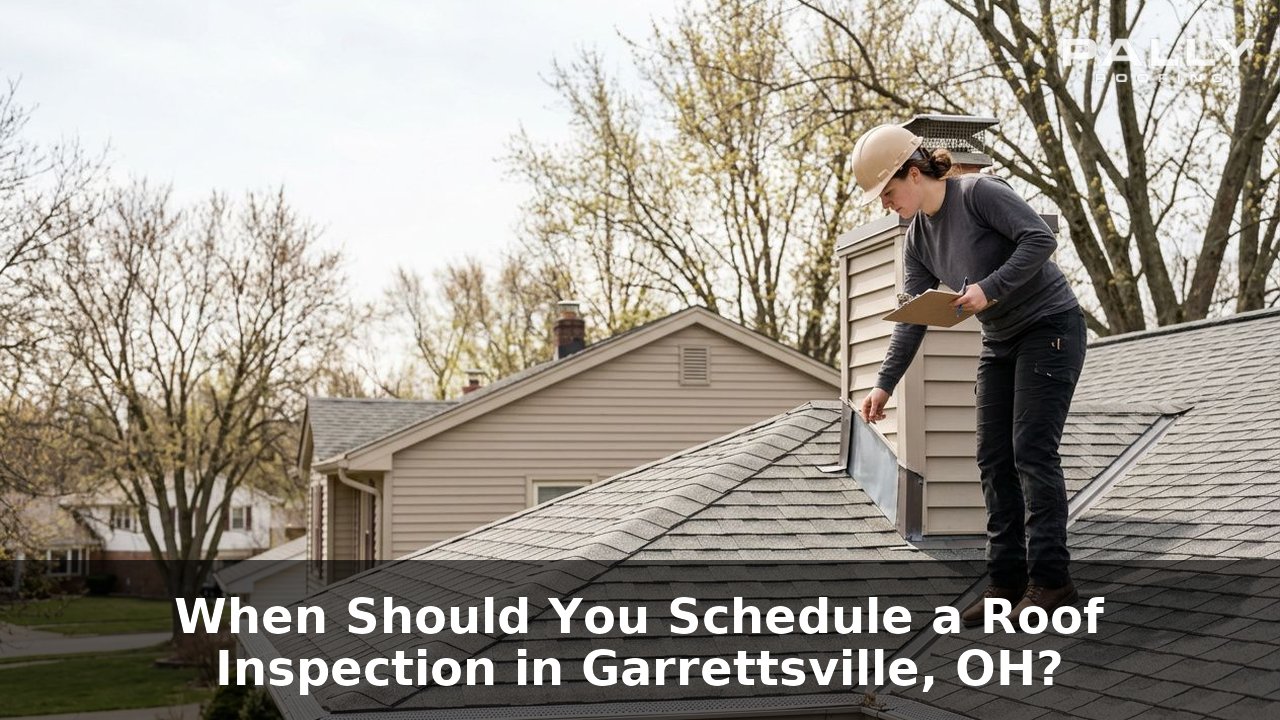
That said, shingles alone don’t tell the full story. A roof that looks intact from the driveway may have issues at the flashing or in the gutter system that only a close inspection would reveal. This is exactly why DIY roof inspection methods have real limitations. Walking a roofline safely requires training and equipment, and spotting subtle issues around penetrations or at roof-to-wall junctions is harder without experience looking for them.
Flashing and Gutters: Often Overlooked
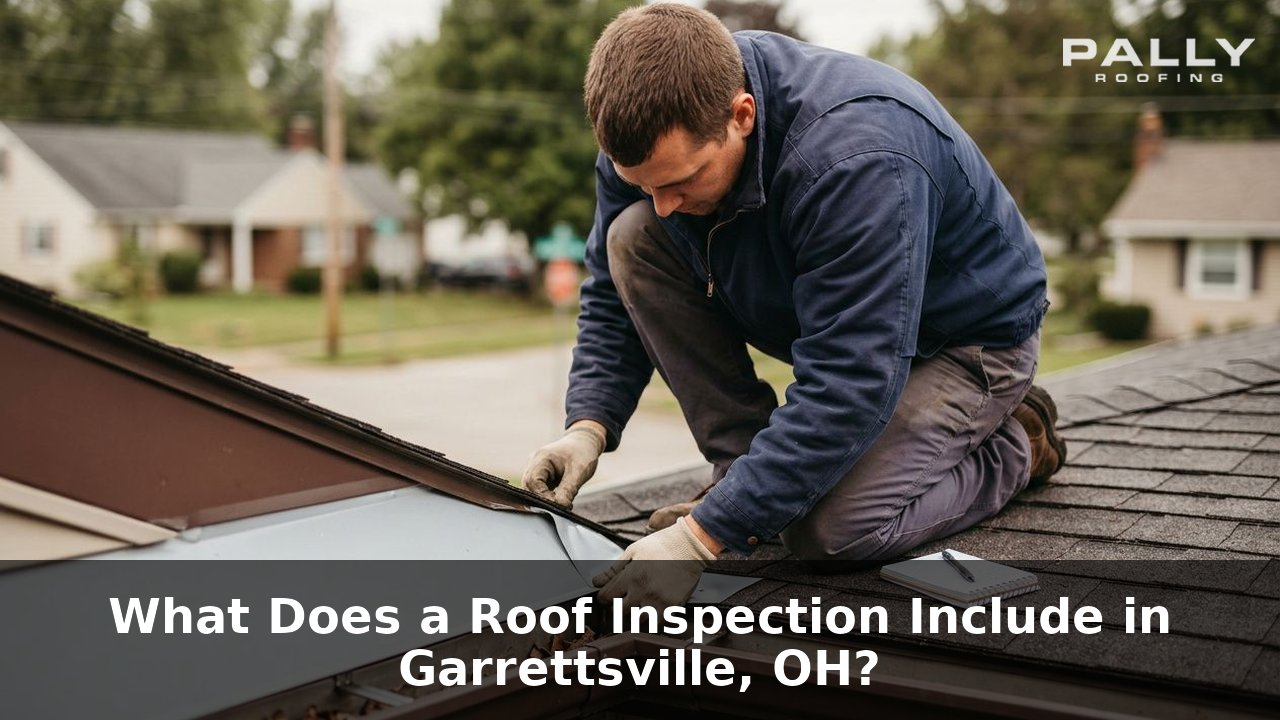
Flashing covers transitions, such as where the roof meets a chimney, a dormer, a vent pipe, or a wall. These are the joints in the roof system, and joints are where water finds its way in when something shifts or separates. Gutter systems are equally significant because they direct water away from the roof edge and foundation; when gutters are blocked, improperly pitched, or pulling away from the fascia, that affects how the whole system handles rain and snowmelt.
Pally Roofing includes both flashing inspection and gutter inspection as separate review areas in its comprehensive service, not as an afterthought. Reviewing these areas individually, rather than bundling them loosely into a shingle review, produces a more complete picture of the roof system’s condition.
What an Attic and Ventilation Inspection Can Add
Why the Attic Matters to Roof Performance
Most homeowners think of the attic as storage space, not a part of the roofing system. But what happens inside the attic directly affects the roof above it. Heat and moisture that can’t escape build up over time and can affect decking materials and insulation. A roofing inspector who reviews the attic space is looking at the underside of the roof system, which offers information that a surface inspection alone can’t provide.
This also connects to one of the more common questions homeowners ask: what are the signs that a roof may need an inspection? You don’t always see problems from the outside first. Staining on interior ceilings, unusual temperature variations in upper rooms, or visible changes inside the attic space can be indicators worth investigating. A comprehensive inspection that includes the attic adds that interior perspective.
Ventilation as a Distinct Review Area
Proper attic ventilation allows air to circulate, which helps regulate temperature and moisture levels throughout the year. Inspecting ventilation as a separate component of the roof system, as Pally Roofing does, means the inspector is paying attention to air intake and exhaust points rather than simply noting their presence.
Northeast Ohio’s climate creates real seasonal demands. Winters bring cold that can affect how moisture behaves inside the attic; summers bring heat that builds up without adequate airflow. Reviewing ventilation as part of a full roof inspection, rather than treating it as optional, gives homeowners a more complete view of how the roof system is managing those conditions.
What You Should Receive After a Roof Inspection
Photo Documentation and the Condition Report
A roof inspection that leaves you with only a verbal summary is difficult to act on. You’re relying on memory, and you have no record to share with an insurance contact or review later. Pally Roofing provides photo documentation of inspection findings, so what the inspector observed during the visit is recorded and tied to specific areas of the roof.
On the topic of insurance: homeowners sometimes ask whether insurance covers a roof inspection in Ohio, or whether a documented inspection helps when filing a storm-damage claim. While every policy and situation is different, having photo documentation and a written roof condition report on file creates a concrete record. What your insurer covers depends on your policy terms, and no inspection outcome can determine coverage. But documented findings give you something specific to work from when you have that conversation.
The Estimate as a Next Step
Following the photo documentation and roof condition report, Pally Roofing provides an estimate. This sequence matters: inspection first, documentation second, report third, estimate fourth. The estimate reflects what the inspection found, rather than preceding it. That order gives you confidence that the recommendation is based on an actual review, not a predetermined sales outcome.
Free estimates are included with Pally Roofing’s inspection service, so you’re not paying to find out what the inspection revealed.
How to Choose a Roof Inspector in Garrettsville, OH
Questions Worth Asking Any Contractor
Before you schedule a roof inspection with any contractor, a few neutral questions will help you evaluate the offer:
- What specific areas of the roof will be reviewed during the inspection?
- Will the findings be documented with photos?
- What type of report will I receive after the inspection?
- Does the company clearly state whether it is licensed, bonded, and insured?
These questions don’t require you to compare contractors against each other. They simply establish whether the contractor has a defined process and can explain it clearly. A contractor who can’t answer these questions concretely is giving you less to work with than one who can.
Pally Roofing’s Qualifications and Recognition
Pally Roofing is bonded, insured, and licensed, which are baseline qualifications you should confirm with any roofing contractor you hire in Ohio. Beyond those credentials, Pally Roofing earned the 2025 Nextdoor Neighborhood Faves Award, a recognition based on local community input in Garrettsville and surrounding areas.
For homeowners who want a roof inspection that follows a documented process, includes multiple components of the roof system, and concludes with a written report and free estimate, Pally Roofing’s approach is designed to provide exactly that. Contact Pally Roofing to schedule your inspection and receive a free estimate.
Pally Roofing offers comprehensive roof inspections using a 20-point checklist. The inspection covers shingles, flashing, gutters, attic space, and ventilation, giving each area individual attention rather than a broad surface review. Findings are recorded through photo documentation, and the service concludes with a written roof condition report. The process is designed to give Garrettsville homeowners a clear, documented picture of their roof’s condition.